Imagine having brain surgery and being asked to speak, count numbers, identify pictures, move your fingers, or answer simple questions during the procedure.
It sounds like something from a science fiction movie, yet it is one of the most remarkable advancements in modern neurosurgery.
For decades, removing brain tumors located near critical areas responsible for speech, movement, memory, vision, and language posed a difficult challenge. Surgeons faced a delicate balance—removing as much of the tumor as possible while protecting the functions that make each person who they are. Even a few millimeters could make the difference between preserving speech and losing it, between independent mobility and lifelong disability.
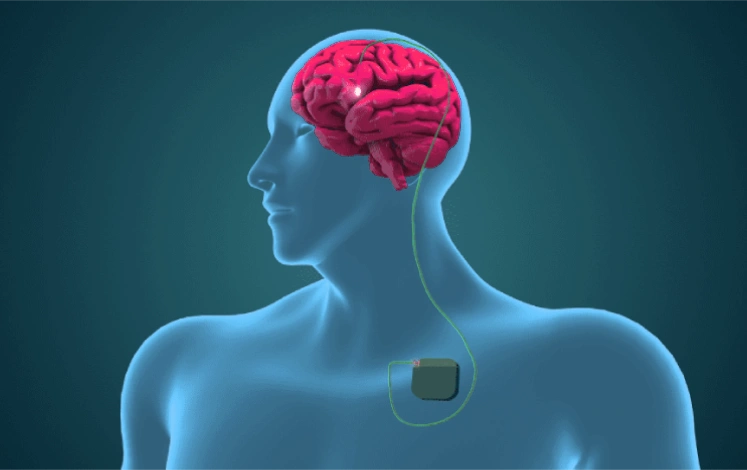
Today, Awake Brain Surgery has transformed that equation. Instead of relying solely on anatomical landmarks and imaging scans, surgeons can directly communicate with patients during specific stages of surgery, allowing real-time monitoring of vital brain functions. This enables safer tumor removal while preserving the areas responsible for speaking, understanding language, movement, and cognition.
With increasing adoption of advanced neuro-navigation systems, intraoperative brain mapping, and precision surgical techniques, Awake Brain Tumor Surgery in Mumbai is helping patients achieve better outcomes, particularly when tumors are located near highly functional areas of the brain.
For many patients, the concept may initially seem intimidating. In reality, awake brain surgery is carefully planned, highly controlled, and designed to maximize both safety and quality of life after treatment.
Why Do Some Brain Tumors Require a Different Surgical Approach?
Not all brain tumors are located in the same region of the brain. Some develop near areas responsible for:- Speech
- Language comprehension
- Movement
- Sensation
- Memory
- Vision
- Decision-making
Understanding the Science Behind Awake Brain Surgery
Despite its name, patients are not awake throughout the entire procedure. Modern awake craniotomy typically follows an “asleep-awake-asleep” approach.Initial Sleep Phase
Patients receive anesthesia during the opening stages of surgery.Awake Mapping Phase
Once the brain is exposed, sedation is reduced and the patient becomes responsive. During this phase:- The patient speaks with the surgical team.
- Language testing is performed.
- Movement testing is conducted.
- Memory functions may be assessed.
Final Sleep Phase
After tumor removal and mapping are completed, anesthesia may be re-administered for closure. The process is carefully monitored by specialized anesthesia and neurosurgical teams.When Talking During Surgery Can Protect Your Brain?
One of the most fascinating aspects of awake surgery is functional brain mapping. Every person’s brain is unique. Although medical textbooks identify general brain regions responsible for language and movement, the precise locations vary slightly from person to person. During surgery, tiny electrical impulses are applied to specific brain areas while the patient performs tasks such as:- Naming objects
- Reading sentences
- Counting numbers
- Moving limbs
- Following instructions
Which Patients Are Candidates for Awake Brain Tumor Surgery?
Awake surgery is not necessary for every brain tumor. It is typically considered when tumors are located near important functional areas. Examples include:Tumors Near Speech Centers
Areas controlling speaking and language comprehension.Tumors Near Motor Regions
Regions responsible for movement of the face, arms, and legs.Tumors Near Language Networks
Structures involved in reading, writing, and communication.Certain Low-Grade Gliomas
These tumors often occur near functional brain tissue and may benefit from extensive mapping.Recurrent Brain Tumors
Patients undergoing repeat surgery may require additional functional assessment. A detailed evaluation helps determine whether awake surgery is the best option.How Advanced Technology Has Revolutionized Brain Tumor Surgery?
The success of modern awake procedures depends on sophisticated technology.Neuro-Navigation Systems
These function like GPS systems for the brain, helping surgeons navigate complex anatomy.Functional Brain Mapping
Allows real-time identification of critical brain functions.High-Powered Surgical Microscopes
Provide enhanced visualization of delicate structures.Intraoperative Monitoring
Tracks neurological function continuously throughout surgery.Advanced MRI Planning
Helps create detailed surgical roadmaps before entering the operating room. These innovations have significantly improved the safety of Minimally Invasive Brain Tumor Surgery in Mumbai and awake brain procedures.What Patients Commonly Experience During the Procedure?
Many people imagine awake surgery to be uncomfortable or frightening. The reality is often very different. Patients generally report:- Minimal pain
- Continuous reassurance from the surgical team
- Comfortable positioning
- Careful monitoring throughout the procedure
The Goal Is More Than Tumor Removal
Modern neurosurgery focuses on much more than simply removing abnormal tissue. The ultimate objectives include:- Maximizing tumor removal
- Preserving speech
- Protecting movement
- Maintaining independence
- Improving long-term quality of life
Recovery After Awake Brain Tumor Surgery
Recovery varies depending on the tumor type, location, and extent of surgery. Many patients experience:Early Neurological Assessment
Doctors can immediately evaluate speech and movement after surgery.Faster Functional Recovery
Preservation of critical brain areas often supports smoother rehabilitation.Reduced Neurological Deficits
Brain mapping helps lower the risk of permanent functional impairment.Personalized Rehabilitation
Some patients may benefit from speech therapy, occupational therapy, or physiotherapy. Follow-up imaging helps assess surgical outcomes and future treatment planning.Why Patients Trust Dr Manish Baldia?
Successful awake brain surgery requires exceptional precision, meticulous planning, and a deep understanding of both brain anatomy and brain function. Dr Manish Baldia is a neurosurgeon and functional neurosurgery specialist with expertise in advanced brain tumor surgery, stereotactic procedures, Deep Brain Stimulation (DBS), CyberKnife radiosurgery, and complex neurological interventions. Having completed his MBBS and MCh in Neurosurgery, he has dedicated his practice to utilizing modern technologies that improve both surgical accuracy and patient outcomes. His experience spans the management of complex brain tumors, movement disorders, spinal tumors, and minimally invasive neurosurgical procedures across Mumbai, Pune, Nagpur, and Hyderabad. By integrating advanced neuro-navigation, functional brain mapping, and contemporary microsurgical techniques, Dr Manish Baldia focuses on achieving the safest possible tumor removal while preserving the neurological functions that matter most to patients and their families. Brain tumor surgery is no longer solely about removing a lesion—it is about preserving the abilities that define everyday life. The ability to speak, move, communicate, work, and remain independent often depends on protecting delicate functional areas of the brain during treatment. Through Awake Brain Tumor Surgery in Mumbai, surgeons can interact with patients during critical stages of the procedure, allowing unprecedented precision and personalized care. Combined with advancements in Minimally Invasive Brain Tumor Surgery, this innovative approach has transformed outcomes for many patients with tumors located near essential brain regions.The Most Frequently Asked Questions
Patients are typically awake only during the brain mapping phase and are carefully monitored throughout the procedure.
No. The brain itself does not feel pain, and anesthesia is used to ensure patient comfort.
Awake surgery allows real-time monitoring of speech, movement, and other critical functions during tumor removal.
The extent of removal depends on tumor type and location, but awake mapping often helps surgeons maximize safe tumor removal.
Most patients can return to their routine activities shortly after treatment.