Minimally Invasive Spine Surgery
Back pain has become one of the most common health concerns affecting people of all ages. Long working hours, sedentary lifestyles, prolonged screen time, sports injuries, and age-related spinal degeneration have contributed to a growing number of individuals seeking treatment for spine-related problems. While many patients respond well to medications, physiotherapy, and lifestyle modifications, some eventually require surgical intervention to regain mobility and live pain-free.
The thought of spine surgery often creates anxiety. Many people immediately imagine large incisions, lengthy hospital stays, significant pain, and months of recovery. Fortunately, modern medical advancements have changed this perception dramatically. Today, many spinal conditions can be treated using minimally invasive techniques that allow surgeons to access the affected area through small incisions while minimizing damage to surrounding muscles and tissues.
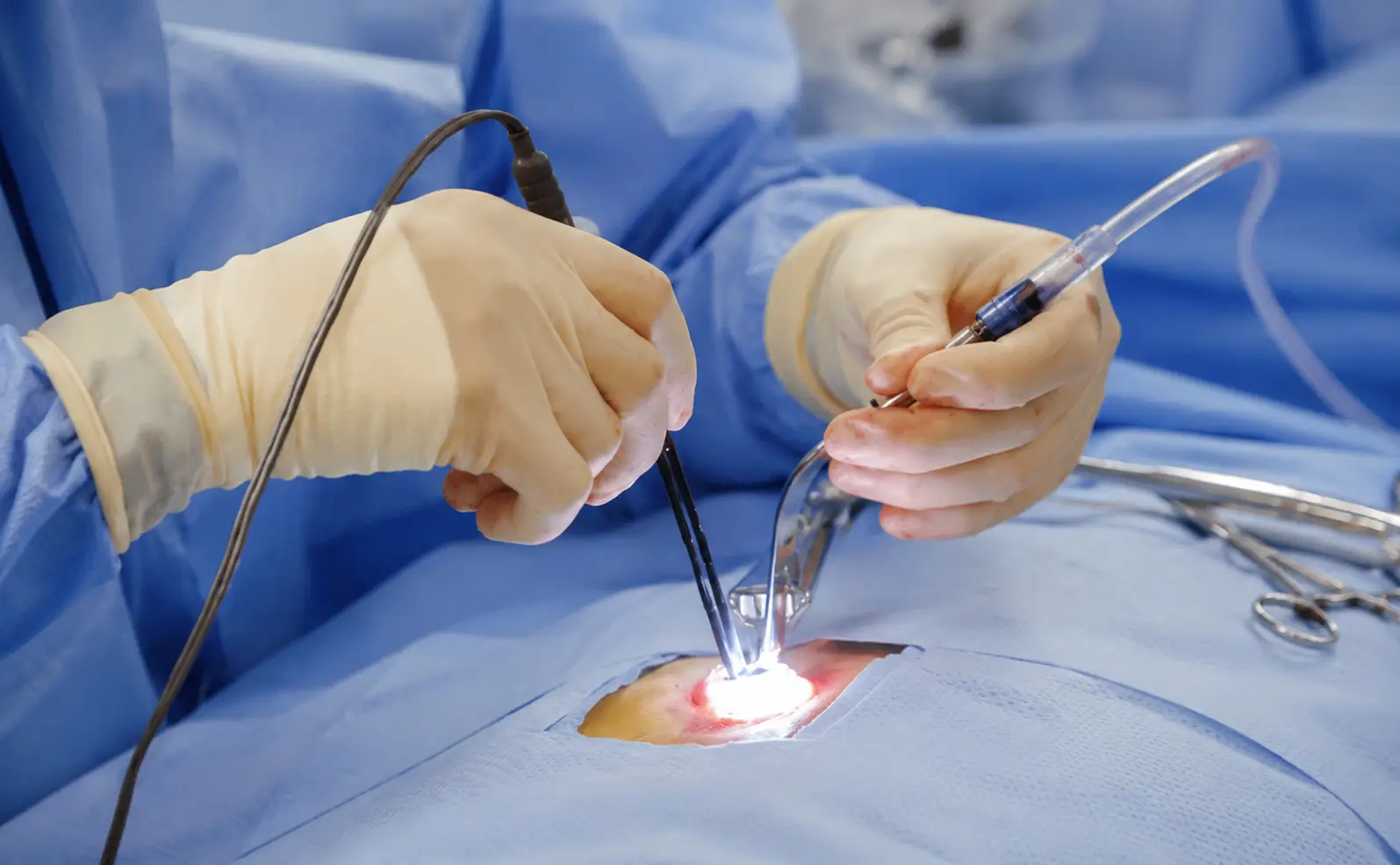
This revolutionary approach has transformed spinal care worldwide. Patients undergoing Minimally Invasive Spine Surgery in Mumbai are often able to experience less postoperative pain, reduced blood loss, shorter hospital stays, faster recovery, and quicker return to normal activities compared to traditional open spine surgery.
Among the specialists providing advanced spine care, Dr Manish Baldia is recognized for his expertise in neurosurgery, functional neurosurgery, and complex spinal procedures. By combining advanced surgical technology with patient-centered care, he helps individuals achieve optimal outcomes while minimizing surgical trauma.
Whether you are dealing with a herniated disc, spinal stenosis, nerve compression, or other spinal disorders, understanding minimally invasive spine surgery can help you make informed decisions about your treatment journey.
Why Has Spine Surgery Evolved So Dramatically?
Traditional spine surgery often required large incisions and extensive muscle dissection to access the spine. While effective, these procedures sometimes resulted in:
- Greater postoperative pain
- Longer recovery periods
- Increased blood loss
- Extended hospital stays
- More visible scarring
Advances in imaging, surgical instruments, operating microscopes, and navigation systems have enabled surgeons to treat many spinal conditions through smaller incisions without compromising surgical precision.
The focus today is not only on correcting the spinal problem but also on preserving healthy tissues and accelerating recovery.
Understanding Minimally Invasive Spine Surgery
Minimally invasive spine surgery (MISS) refers to a group of advanced surgical techniques designed to treat spinal disorders through small incisions using specialized instruments and imaging guidance.
Instead of separating large sections of muscle, surgeons use tubular retractors, microscopes, endoscopes, and precision instruments to reach the affected area with minimal disruption.
The procedure is commonly used for:
- Herniated discs
- Lumbar disc prolapse
- Sciatica
- Spinal stenosis
- Spinal instability
- Vertebral fractures
- Certain spinal tumors
- Degenerative spine disorders
Because surrounding tissues remain largely preserved, patients often recover faster than with conventional open procedures.
Conditions That May Benefit from Keyhole Spine Surgery
Not every spinal problem requires major surgery.
Many patients suffering from the following conditions may be suitable candidates for Keyhole spine surgery:
Herniated Disc
A slipped or prolapsed disc can compress nearby nerves and cause severe pain, numbness, and weakness.
Sciatica
Compression of the sciatic nerve often results in pain radiating down the leg.
Spinal Stenosis
Narrowing of the spinal canal can place pressure on nerves and affect mobility.
Degenerative Disc Disease
Age-related degeneration may lead to chronic pain and reduced spinal function.
Vertebral Compression Fractures
Certain fractures can be treated using minimally invasive stabilization techniques.
Selected Spinal Tumors
Some spinal tumors may be accessed and treated through minimally invasive approaches depending on location and size.
A thorough evaluation helps determine whether minimally invasive surgery is appropriate for each patient.
What Happens During the Procedure?
Although the exact technique varies depending on the condition being treated, the general process follows a similar pattern.
Step 1: Advanced Imaging Guidance
The surgeon uses high-resolution imaging systems to accurately identify the affected area.
Step 2: Small Incision
A small incision is made over the target region.
Step 3: Tubular Access System
Specialized tubular retractors create a pathway to the spine while minimizing muscle disruption.
Step 4: Precision Treatment
Using microscopes and specialized instruments, the surgeon removes the problematic tissue or relieves nerve compression.
Step 5: Closure
Because the incision is significantly smaller than traditional surgery, wound closure is typically straightforward.
Many patients are surprised by how small the surgical incision actually is.
Benefits That Matter Most to Patients
One of the primary reasons minimally invasive techniques have gained popularity is the significant improvement in patient comfort and recovery.
Less Tissue Damage
Healthy muscles and surrounding tissues remain largely preserved.
Reduced Pain
Smaller incisions generally result in less postoperative discomfort.
Lower Blood Loss
The precision of the procedure minimizes bleeding.
Faster Recovery
Patients often return to daily activities sooner than with traditional surgery.
Smaller Scars
Cosmetic outcomes are generally improved.
Shorter Hospital Stay
Many patients are discharged within one or two days depending on the procedure.
These advantages have made Minimally Invasive Spine Surgery in Mumbai an increasingly preferred option for suitable candidates.
How Technology Is Making Spine Surgery Safer?
Modern spine surgery relies heavily on advanced technology.
Surgical Microscopes
Provide high-definition magnification for greater precision.
Neuro-Navigation Systems
Act like GPS for the surgeon, improving accuracy during complex procedures.
Intraoperative Monitoring
Allows continuous assessment of nerve function throughout surgery.
Advanced Imaging Systems
Help surgeons visualize spinal structures in real time.
These innovations improve safety while helping surgeons achieve optimal outcomes.
Recovery: What Can Patients Expect?
Recovery varies depending on the specific procedure and the patient’s overall health.
Most patients can expect:
Early Mobilization
Walking is often encouraged shortly after surgery.
Pain Management
Postoperative discomfort is generally less severe compared to traditional surgery.
Physiotherapy
Targeted rehabilitation helps restore strength and mobility.
Follow-Up Visits
Regular assessments ensure proper healing and recovery.
Many individuals return to office-based work within a few weeks, although recovery timelines vary depending on the condition treated.
Is Minimally Invasive Spine Surgery Right for Everyone?
While minimally invasive techniques offer numerous benefits, not every patient is a suitable candidate.
Factors considered include:
- Nature of the spinal condition
- Severity of disease
- Spinal stability
- Previous surgeries
- Overall health status
A detailed clinical examination combined with MRI and imaging studies helps determine the most appropriate treatment strategy.
The goal is always to recommend the safest and most effective approach for long-term spinal health.
Why Patients Trust Dr Manish Baldia for Advanced Spine Care?
When dealing with spinal disorders, choosing an experienced neurosurgeon is critical.
Dr Manish Baldia is a neurologist and DBS surgeon with 11 years of experience and advanced training in neurosurgery. He has completed his MBBS and MCh in Neurosurgery and is widely respected for his expertise in complex neurological and spinal procedures.
His areas of specialization include:
- Minimally Invasive Spine Surgery
- Functional Neurosurgery
- Deep Brain Stimulation (DBS)
- Brain Tumor Surgery
- Spinal Cord Tumor Surgery
- CyberKnife Radiosurgery
- Stereotactic Biopsy
Practicing across Mumbai, Pune, Nagpur, and Hyderabad, Dr Manish Baldia is committed to delivering advanced, evidence-based care using the latest surgical technologies.
Spinal disorders can significantly affect mobility, productivity, and overall quality of life. Fortunately, advances in surgical technology have made treatment safer, more precise, and less disruptive than ever before. Through Minimally Invasive Spine Surgery in Mumbai, many patients can achieve effective relief from pain and neurological symptoms while benefiting from smaller incisions, faster recovery, and improved outcomes. With extensive expertise in advanced neurosurgical and spinal procedures, Dr Manish Baldia provides personalized treatment solutions designed to restore function, relieve discomfort, and help patients return to the activities they enjoy most.
The Most Frequently Asked Questions
It is a modern surgical technique that treats spinal conditions through small incisions while minimizing damage to muscles and surrounding tissues.
For appropriately selected patients, it can offer advantages such as reduced pain, less blood loss, and faster recovery.
Many patients stay for one to three days depending on the procedure performed.
No. Minimally invasive procedures use significantly smaller incisions compared to traditional open surgery.
Recovery varies, but many patients can resume light activities and office work within a few weeks.


